
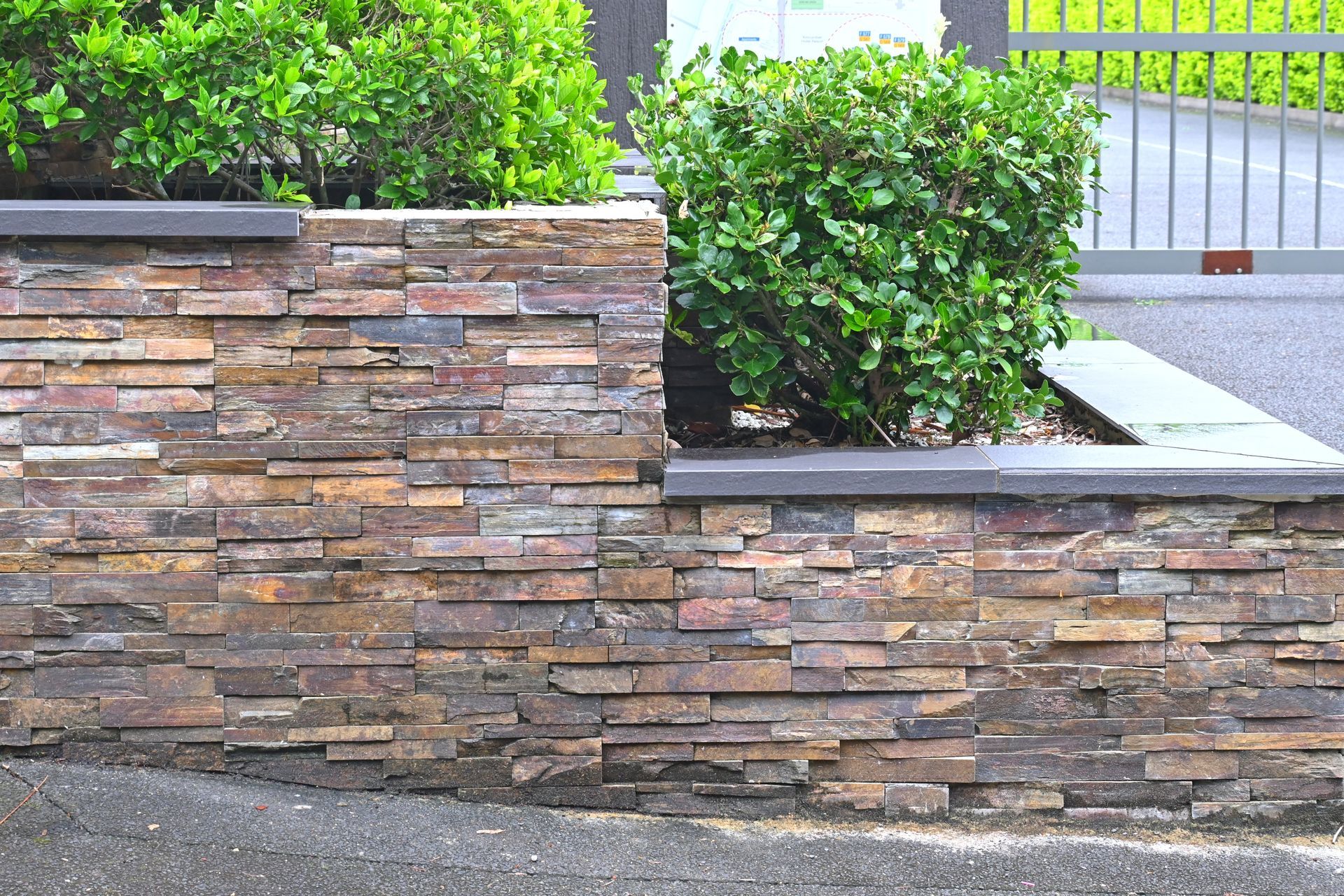
Structures That Control Erosion and Grade
Retaining Walls in Ocean Springs for properties managing elevation changes and preventing soil loss during heavy coastal rainfall
Sloped yards and uneven terrain create drainage problems and soil erosion, especially during the intense downpours common in Ocean Springs where several inches of rain can fall in a short period. Retaining walls hold soil in place, establish usable level areas for landscaping or outdoor living, and direct water flow away from foundations and other vulnerable structures. OS Concrete builds concrete retaining walls for residential properties and small commercial sites where functional, durable solutions are needed to manage grade and protect against runoff damage.
The construction process begins with excavation to reach stable soil below the anticipated frost line and organic material, followed by compaction of the base and installation of drainage behind the wall to prevent hydrostatic pressure buildup. Reinforcement is placed within the concrete to handle the lateral forces exerted by retained soil, and the wall is poured and finished to a clean, functional appearance that blends with the surrounding landscape. Proper design accounts for the height of the wall, the type of soil being retained, and the amount of water that will move through the area during storms.
Schedule a property assessment to evaluate grading challenges and determine the wall design that best addresses your site's drainage and elevation issues.
Why Drainage Behind the Wall Matters
Water that saturates the soil behind a retaining wall creates pressure against the structure, increasing the load beyond what the wall was designed to support. Over time, this pressure can cause the wall to lean, crack, or fail entirely. A drainage system installed during construction allows water to exit through weep holes or perforated pipe rather than building up behind the wall, which keeps the retained soil stable and reduces the forces acting on the structure.
After the wall is complete, you'll notice water flowing away from the area rather than pooling at the base or eroding soil from around the edges. The level area created by the wall becomes usable for planting, seating, or pathways, and slopes above the wall remain intact without slumping or washing away during heavy rain. The wall itself stays vertical and stable, maintaining its structural integrity as seasons change and ground moisture fluctuates.
The service includes excavation, base preparation, drainage installation, reinforcement, concrete pouring, and finishing, but does not cover decorative veneers, extensive landscaping, or removal of large vegetation like established trees. Walls taller than four feet or those retaining particularly unstable soils may require engineering input to confirm the design meets local load and safety requirements.
Questions About Retaining Wall Projects
Property owners often want to understand how retaining walls are built and what factors affect their performance over time.
What determines the thickness and height of the wall?
Wall dimensions are based on the height of the soil being retained, the angle of the slope, and the type of soil, with taller walls requiring thicker bases and more substantial reinforcement to resist lateral pressure.
How does Ocean Springs rainfall affect wall design?
The frequency and intensity of coastal storms mean drainage systems must handle higher volumes of water than in drier climates, requiring larger drainage pipes and more weep holes to prevent pressure buildup.
Why do some retaining walls lean or crack?
Failure typically results from inadequate drainage, insufficient reinforcement, or poor compaction of the base and backfill, all of which allow the wall to shift under load or settle unevenly.
When is a retaining wall necessary instead of regrading?
Retaining walls make sense when space is limited, when regrading would disrupt existing structures or landscaping, or when the slope is too steep to stabilize with vegetation alone.
What maintenance does a concrete retaining wall require?
Periodic inspection of weep holes to confirm they remain clear and monitoring for cracks or movement are the primary maintenance tasks, with most well-built walls requiring no significant intervention for decades.
OS Concrete designs retaining walls to handle coastal environmental conditions and provides guidance on layout based on your property's specific grading and water flow patterns. Contact the team to discuss your site's elevation challenges and receive a project estimate that accounts for soil conditions and drainage requirements.